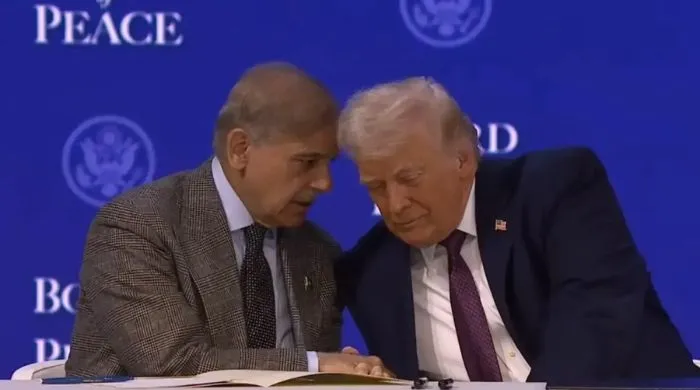
Pakistan’s Prime Minister Shehbaz Sharif is set to travel to Washington, D.C., on February 18 to represent the country at the first leaders’ meeting of the Gaza Board of Peace, officials said on Wednesday. The high-level summit is scheduled for February 19 and will be chaired by US President Donald Trump.
The Board of Peace is a newly established international initiative aimed at addressing the ongoing humanitarian crisis in Gaza, focusing on restoring peace, sustaining a ceasefire, ensuring humanitarian access, and outlining a roadmap for reconstruction following the prolonged conflict.
Pakistan’s Participation and Diplomatic Goals
Pakistan has received a formal invitation to the inaugural meeting, and diplomatic sources confirmed that Islamabad is likely to be represented by the prime minister, although official confirmation is still pending.
Foreign Office officials told the media that Pakistan plans to use the forum to reiterate its long-standing support for Palestinian rights, including backing efforts for a durable ceasefire and expanded humanitarian relief in the besieged territory. Islamabad is also expected to push for international cooperation on Gaza’s long-term recovery and stability.
What the Board of Peace Meeting Will Cover
Delegates attending the meeting are expected to discuss:
- Mechanisms to sustain the Gaza ceasefire
- Expanding humanitarian access to civilians
- Funding initiatives for reconstruction
- Long-term strategies for peace and regional stability
The summit will bring together leaders and representatives from more than 20 countries that are members of the board, including Saudi Arabia, Turkey, Qatar, the United Arab Emirates, Indonesia, Argentina, and Hungary, among others.
Broader Context and Pakistan’s Position
Pakistan formally joined the Board of Peace during a signing ceremony at the World Economic Forum in Davos, where Prime Minister Shehbaz Sharif signed the board’s founding charter alongside other world leaders.
The government has emphasised that participating in the board is part of its diplomatic engagement to support peace and humanitarian efforts in Gaza without compromising its strong stance on Palestinian self-determination and international law.