Oil prices jumped over 25% on Monday, hitting their highest levels since mid‑2022 as the expanding war involving Iran, the United States, and Israel intensified concerns over global energy supplies. Crude benchmarks surged, with Brent crude futures up roughly 27% to about $117.65 a barrel and US West Texas Intermediate rising around 28% to about $116.62.
Traders and analysts pointed to disruptions around the Strait of Hormuz, a key energy chokepoint through which almost one‑fifth of the world’s oil normally passes. Rising security risks have slowed tanker traffic and raised fears that supply chains could be constricted further if the conflict broadens.
Supply Cuts and Shipping Fears Fuel Rally
The surge wasn’t driven solely by oil trading dynamics; major Middle Eastern producers have begun cutting output as storage fills up and logistical risks mount. Iraq has already reduced production by about 70%, and Kuwait declared force majeure on shipments. Qatar earlier cut liquefied natural gas output.
Commodity analysts said that unless shipping through the Strait resumes soon and tensions ease, prices are likely to remain elevated, potentially pushing crude above $120 or even $130 a barrel in the near term.
Similar international coverage highlights that Brent crude and US WTI benchmarks surged nearly 25–30% in single‑day gains, one of the largest jumps in recent history, as producers wrestle with both security issues and output curbs.
Wider Economic Ripples
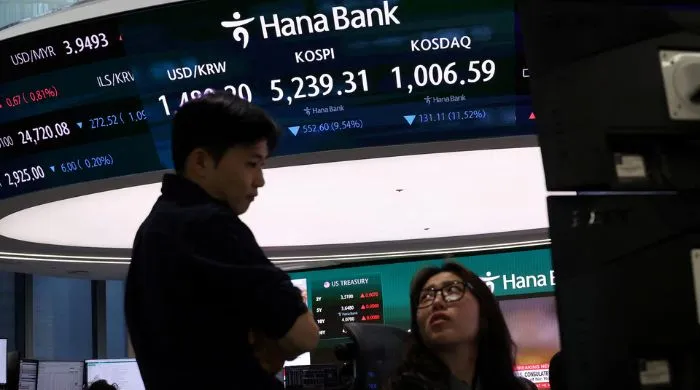
The price spike is already rippling through broader markets. Asian stock indices fell sharply as inflation fears grew. Energy‑importing economies, particularly in Asia, are especially vulnerable due to heavy reliance on Middle Eastern crude.
Beyond oil, commodity markets showed volatility: gold prices dipped over 2% due to a stronger dollar, while agricultural and base metals markets reacted to rising energy cost expectations.
Sustained high fuel prices could quickly translate into higher transport and production costs globally, adding inflationary pressures that central banks may have to address.