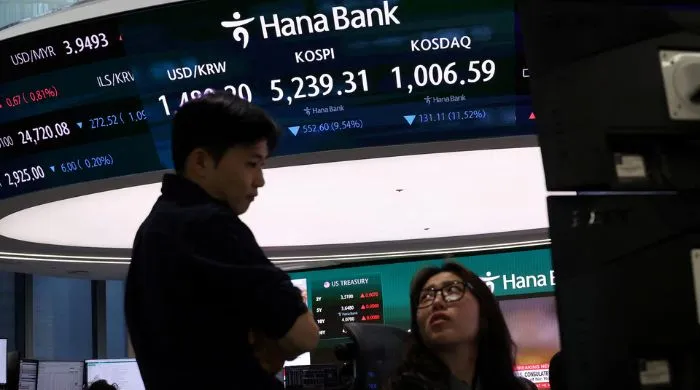
Seoul — South Korean stocks suffered their largest single-day drop in history, with the benchmark KOSPI index plunging more than 12%, as escalating tensions linked to the Iran war triggered widespread panic selling across Asian financial markets.
The sharp decline wiped out billions in market value and forced trading authorities to activate circuit breakers to stabilize the market amid extreme volatility.
Record Drop for KOSPI Index
The KOSPI fell 698 points, or 12.06%, closing at 5,093.54, marking the steepest one-day percentage decline since the index was created. At one point during trading, the benchmark had fallen as much as 12.65%, highlighting the severity of investor panic.
Authorities temporarily halted trading for 20 minutes after losses exceeded thresholds designed to prevent excessive market volatility.
Iran Conflict Sparks Global Market Anxiety
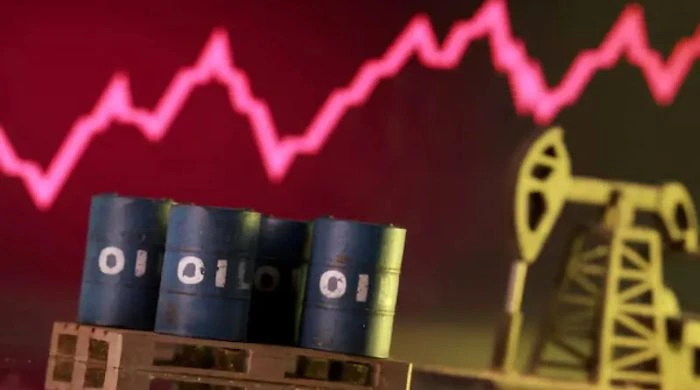
The crash came as the war involving Iran intensified, raising fears of disruptions to oil supplies and broader instability in the Middle East. Military operations and retaliatory strikes across the region have unsettled investors worldwide, pushing energy prices higher and triggering sell-offs in equities.
Analysts noted that markets reacted sharply because of the potential economic consequences of a prolonged conflict, including higher inflation and supply chain disruptions.
South Korea’s Energy Dependence Adds Pressure
South Korea’s economy is particularly vulnerable to geopolitical tensions in the Middle East. The country imports a large share of its oil from the region, with around 70% of its crude supply sourced from Middle Eastern producers.
Rising energy prices and fears of supply disruptions, therefore, pose a direct risk to industrial production and export-driven growth.
Tech Stocks Lead the Sell-Off
Major technology companies listed on the Korean exchange were among the hardest hit during the market crash. Shares of semiconductor giants and shipping firms declined sharply as investors moved away from risk-heavy assets.
Foreign investors also pulled billions of dollars from the Korean market, putting additional pressure on the South Korean won, which weakened significantly against the US dollar.
Broader Impact on Global Markets
The turmoil in Korean equities reflects wider financial market instability linked to the Iran conflict. Global investors are closely watching developments in the Middle East as further escalation could affect oil markets, inflation expectations, and global economic growth.
Economists say volatility may continue in the short term as markets digest geopolitical risks and assess the potential economic fallout from the expanding conflict.