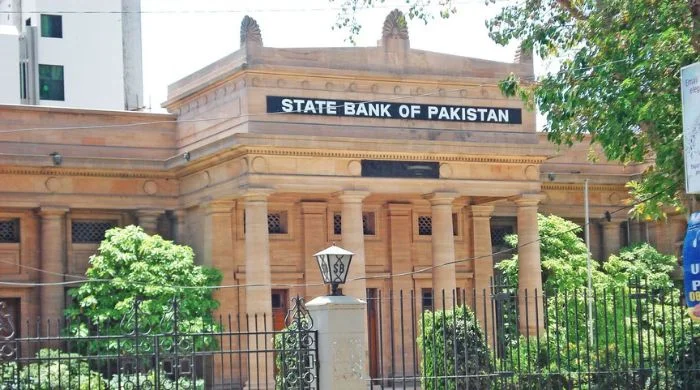
Pakistan has completed the repayment of its financial obligations to the United Arab Emirates by returning the final $1 billion deposit, according to the State Bank of Pakistan (SBP). The move marks the end of a major external financing arrangement that had supported the country’s foreign exchange reserves during periods of economic stress.
Final Tranche Returned to UAE
The SBP confirmed that Pakistan has now returned the remaining $1 billion deposit to the UAE, completing the settlement of earlier financial support extended by Abu Dhabi.
This follows earlier repayments made in the same month, bringing the total amount returned to several billion dollars as part of a structured repayment plan.
End of a Longstanding Financial Support Mechanism
The UAE deposits had been placed with the State Bank of Pakistan as part of bilateral financial support to strengthen the country’s reserves. These deposits were often rolled over annually in the past, providing stability during economic challenges.
However, recent geopolitical and financial shifts led to a change in approach, with the UAE requesting repayment instead of extending the facility.
Repayments Backed by Fresh Inflows
Pakistan managed these repayments through a combination of financial planning and support from other allies. Notably, inflows from Saudi Arabia helped offset the outflow, reducing immediate pressure on foreign exchange reserves.
This balancing act allowed the country to meet its obligations without triggering a major financial disruption.
Impact on Foreign Exchange Reserves
While the repayments demonstrate Pakistan’s ability to honor its external commitments, they also highlight the ongoing pressure on reserves.
The return of large deposits, combined with other debt repayments, has increased the need for fresh inflows and careful financial management.
Why This Matters for Pakistan’s Economy
The completion of UAE repayments carries both positive and challenging implications:
- Signals financial discipline and credibility
- Strengthens Pakistan’s standing with international lenders
- Reduces reliance on short-term external deposits
- But increases the need for alternative financing sources
The move is closely tied to Pakistan’s broader economic strategy under its IMF-supported program.
Shifting Strategy Toward Sustainable Financing
Officials have indicated that Pakistan is exploring new financing options to replace such deposits, including:
- Eurobonds and sukuk
- Commercial borrowing
- Continued bilateral support from friendly countries
The goal is to transition toward a more sustainable and diversified financing model.
Conclusion
Pakistan’s repayment of the final $1 billion UAE deposit marks the conclusion of a significant financial chapter. While it reflects improved financial discipline, it also underscores the challenges of maintaining stable reserves in a volatile global environment.
As we advance, the focus will be on securing long-term financial stability rather than relying on short-term external support.