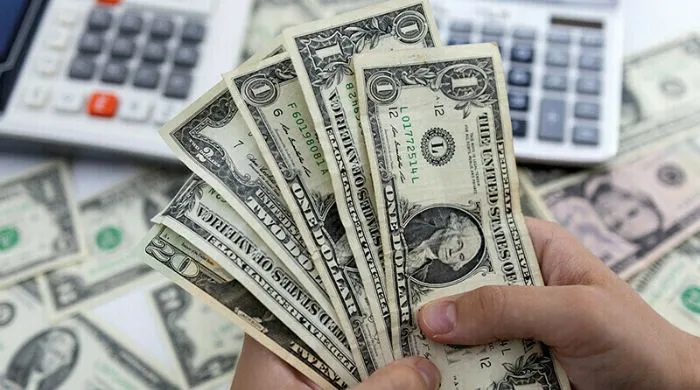
The State Bank of Pakistan (SBP) has purchased nearly $27 billion from the local currency market over the past three and a half years, according to official data. The large-scale dollar buying reflects the central bank’s aggressive strategy to rebuild foreign exchange reserves and stabilize the economy during a period marked by financial uncertainty and external pressure.
Massive Dollar Purchases by Central Bank
The SBP reportedly acquired around $27 billion between 2022 and 2026 through interventions in the foreign exchange market. The purchases were aimed at strengthening Pakistan’s reserve position after the country faced severe balance-of-payments stress and declining dollar holdings.
The move represents one of the largest reserve accumulation efforts in Pakistan’s recent economic history.
Why SBP Increased Dollar Buying
Pakistan’s economy has faced repeated pressure in recent years due to:
- High external debt repayments
- Import financing challenges
- Currency volatility
- Inflation and rising oil prices
To counter these risks, the central bank actively purchased dollars whenever inflows improved or market conditions allowed.
Reserves Recovery Strategy
The reserve-building campaign became especially important after Pakistan’s foreign exchange reserves fell to critically low levels during the economic crisis of 2022–23.
By steadily purchasing dollars from the interbank market, the SBP attempted to create a financial buffer capable of supporting imports, debt obligations, and overall market confidence.
Impact on the Pakistani Rupee
The aggressive dollar accumulation also played a role in currency management. While the SBP avoided direct long-term fixing of the exchange rate, reserve growth helped reduce panic in currency markets and stabilize the rupee during volatile periods.
Economists believe stronger reserves improve investor confidence and reduce fears of external default.
Questions Over Market Intervention
Despite the positive reserve buildup, some analysts have questioned the extent of central bank intervention in the currency market. Critics argue that large-scale dollar purchases can affect market liquidity and influence exchange rate movements.
Others, however, see the strategy as necessary given Pakistan’s fragile economic conditions over the past few years.
Economic Stability Remains Key Goal
The central bank’s broader objective has been to restore macroeconomic stability after years of financial stress. Reserve accumulation is considered essential for:
- Meeting international payment obligations
- Maintaining confidence in the banking system
- Supporting IMF-related economic reforms
- Managing external economic shocks
The latest figures suggest the SBP has prioritized reserve strength as a central pillar of economic policy.
What Happens Next?
Moving forward, analysts say the sustainability of reserve growth will depend on:
- Continued foreign inflows
- Export performance
- Remittances
- External financing support
Without consistent economic improvement, maintaining reserve levels could remain challenging.
Conclusion
The SBP’s purchase of $27 billion over 3.5 years highlights the scale of Pakistan’s effort to rebuild financial stability after a period of economic turbulence. While the reserve buildup has strengthened confidence and improved external positioning, long-term stability will still depend on broader economic reforms and sustained growth.