Pakistan has been ranked the most polluted country in the world in 2025, according to the latest global air quality report by Swiss monitoring firm IQAir.
The report found that Pakistan recorded extremely high levels of PM2.5 pollutants, which are tiny harmful particles capable of entering the bloodstream and causing serious health issues.
On average, pollution levels in Pakistan were measured at up to 13 times higher than the safe limits set by the World Health Organization (WHO), placing the country at the top of global pollution rankings.
What PM2.5 Means for Health
PM2.5 particles are considered one of the most dangerous forms of air pollution due to their microscopic size.
These particles can penetrate deep into the lungs and bloodstream, increasing the risk of respiratory diseases, heart conditions, and premature death. Global health experts have consistently warned that there is effectively no safe level of exposure to such pollutants.
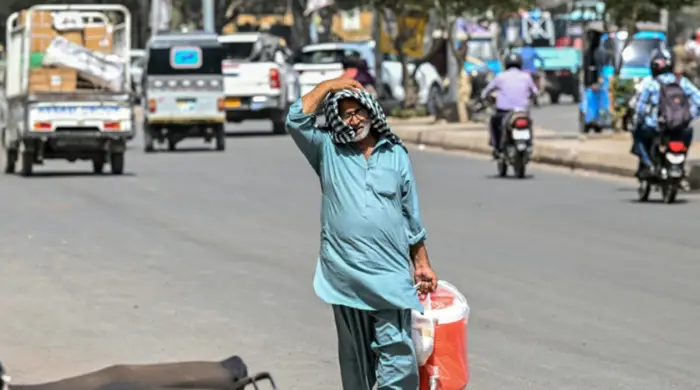
Pakistan’s severe pollution levels highlight a growing public health crisis, especially in densely populated urban areas.
Situation Has Worsened Over Time
The latest ranking marks a significant deterioration compared to previous years.
In 2024, Pakistan was already among the top three most polluted countries globally, with PM2.5 levels far above international safety standards.
Major cities such as Lahore, Karachi, and Peshawar have repeatedly recorded hazardous air quality levels, particularly during the winter months when smog intensifies due to weather conditions and emissions.
Key Causes Behind the Pollution Crisis
Experts point to several major factors driving Pakistan’s worsening air quality:
- Vehicular emissions from outdated and poorly regulated transport
- Industrial pollution and unchecked factory emissions
- Crop burning and brick kilns, especially in Punjab
- Construction dust and urban congestion
- Seasonal weather patterns that trap pollutants in the atmosphere
These combined factors create persistent smog conditions, particularly in urban centers.
Global Context and Limited Progress
While some countries have shown improvement in air quality, Pakistan’s situation stands out sharply.
The report noted that only a small number of countries worldwide meet WHO air quality standards, highlighting the global scale of the issue.
However, Pakistan’s ranking at the top underscores the urgency of policy action, environmental regulation, and long-term planning to address pollution sources.
Urgent Need for Action
Environmental experts stress that without immediate intervention, Pakistan’s air quality crisis could worsen further.
Recommended measures include stricter emissions controls, investment in cleaner energy, improved urban planning, and enforcement against polluting industries.
Without structural changes, air pollution will continue to pose serious risks to public health and economic stability.