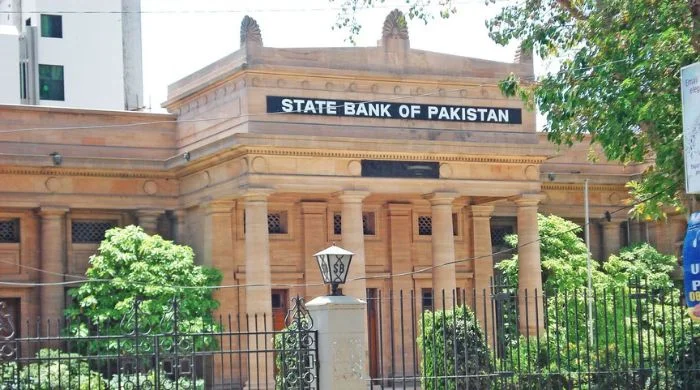
In a move that caught many analysts off guard, the State Bank of Pakistan (SBP) has increased its key policy rate by 100 basis points, pushing it up to 11.5%. The decision signals a shift toward tighter monetary policy as economic pressures continue to build both locally and globally.
Sharp Rate Hike Announced by SBP
The Monetary Policy Committee (MPC) raised the benchmark interest rate from 10.5% to 11.5%, effective April 28, 2026.
The move surprised a large section of the market, as many analysts had expected the central bank to keep rates unchanged.
Why the Rate Was Increased
The decision comes amid growing concerns over inflation and external economic pressures. Rising global oil prices, largely driven by geopolitical tensions, have increased the risk of higher import costs for Pakistan.
At the same time, inflation has started to edge above the SBP’s target range, adding urgency to policy tightening.
The rate hike reflects the central bank’s effort to keep inflation under control and stabilize the broader economy.
Inflation and Global Factors Driving Policy Shift
Recent data shows inflation rising to around 7.3%, exceeding the central bank’s preferred range of 5–7%.
Key contributing factors include:
- Volatile international oil prices
- Increased fuel costs domestically
- Currency pressure and import dependence
- Ongoing geopolitical uncertainty
These factors have forced policymakers to act preemptively to avoid further inflationary spikes.
From Rate Cuts to Tightening Cycle
Interestingly, this move marks a shift in direction. Over the past year, SBP has been reducing interest rates significantly from a peak of 22% in 2024 to support economic growth.
The latest increase indicates that the easing cycle may be over, at least for now, as inflation risks resurface.
Impact on Economy and Businesses
Higher interest rates typically have a wide-ranging impact:
- Borrowing becomes more expensive for businesses
- Consumer loans and mortgages may rise
- Investment activity could slow down
- Inflation pressures may ease over time
While the decision may slow economic activity in the short term, it is aimed at ensuring long-term stability.
Market Reaction and Outlook
The unexpected nature of the hike has led to mixed reactions from analysts and investors. Some see it as a necessary step to maintain economic discipline, while others worry about its impact on growth.
Looking ahead, future policy decisions will likely depend on how inflation and global conditions evolve, especially oil prices and geopolitical developments.
Conclusion
The SBP’s decision to raise the policy rate to 11.5% marks a significant shift in Pakistan’s economic policy direction. As inflation risks intensify and global uncertainty persists, the central bank appears focused on stability over short-term growth.
The coming months will reveal whether this move successfully reins in inflation or adds new pressure to an already strained economy.