Islamabad — Pakistan’s government is weighing the option of introducing a four-day workweek with reduced working hours as part of emergency fuel conservation measures amid concerns about global energy supply disruptions.
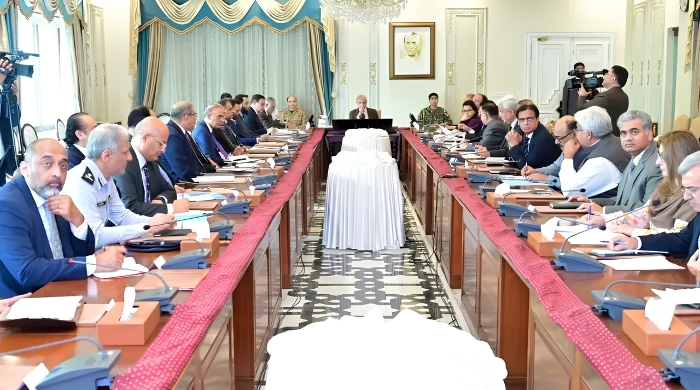
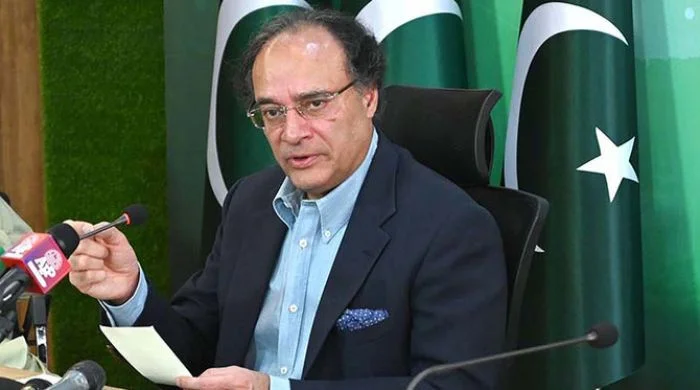
The proposal was discussed during a meeting of a special government committee monitoring petroleum supplies, chaired by Finance Minister Muhammad Aurangzeb, as authorities assess ways to reduce fuel consumption and manage potential shortages.
Energy Conservation Measures Under Review
Officials said the committee examined several proposals aimed at cutting national consumption of petrol, diesel, and liquefied natural gas (LNG) as global prices surge following geopolitical tensions affecting shipping routes near the Strait of Hormuz.
Among the measures discussed were:
- Introducing a four-day workweek with shorter working hours
- Shifting schools and universities to online learning, similar to the COVID-19 period
- Reducing fuel allowances for government departments
- Encouraging work-from-home arrangements where possible
Officials stressed that these ideas are still under review and have not yet been formally approved.
Concerns Over Public Reaction
Committee members were reportedly divided over how aggressively conservation steps should be implemented.
Some officials warned that drastic measures such as reducing working days could trigger public anxiety and panic buying of fuel, while others argued that early action would help protect national reserves if supply disruptions worsen.
Fuel Stocks and Supply Situation
Authorities say Pakistan currently has petroleum reserves sufficient for several weeks, though shipments have been affected by rising geopolitical risks and shipping delays in the region.
The government is also in talks with Saudi Arabia, Oman and the United Arab Emirates to secure alternative supply arrangements and maintain stable fuel imports.
Decision Expected Soon
Officials said the committee will finalize its recommendations and present them to Prime Minister Shehbaz Sharif, after which the proposals may be sent to the Economic Coordination Committee (ECC) for approval.
Authorities have assured the public that there is no immediate fuel shortage, but the government is preparing contingency plans to ensure stability if global supply disruptions continue.