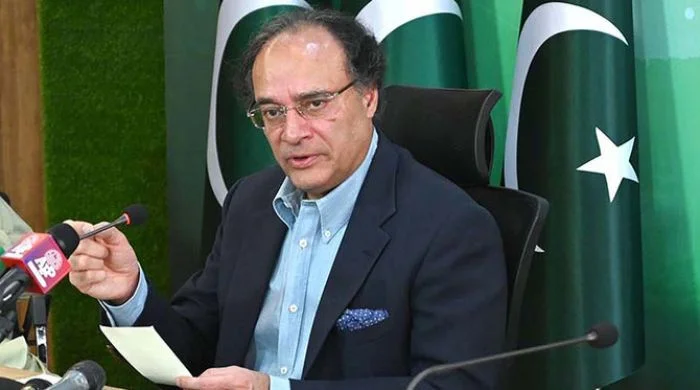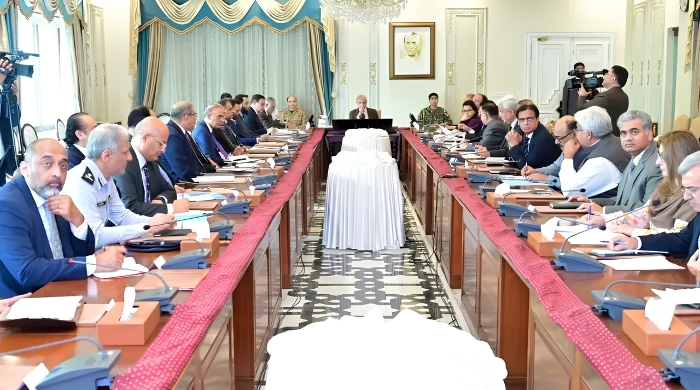
The federal government of Pakistan has announced an extension of austerity measures until June 30, 2026, while simultaneously relaxing operating hours for certain businesses. This decision was made during a high-level meeting chaired by Deputy Prime Minister and Foreign Minister Ishaq Dar in Islamabad. The measures aim to balance fiscal discipline with public convenience, especially amid ongoing challenges in energy markets and rising fuel prices.
Key Decisions from the Committee
The Committee for Monitoring and Implementation of Fuel Conservation and Additional Austerity Measures reviewed various requests from ministries and divisions seeking exemptions from some austerity policies. Following the review, several critical decisions were made: Consular Attestation services in Quetta, Karachi, Peshawar, Gujrat, and Lahore will remain operational on Fridays to facilitate the public. Moreover, standalone grocery and neighborhood convenience stores are now permitted to remain open until 10:00 pm every day, including weekends.
Relaxation of Business Hours
Earlier this month, the government revised operating hours to reflect longer daylight during summer. Shops, markets, and shopping malls could operate until 9:00 pm, while restaurants and food outlets were allowed until 11:00 pm. Marriage halls and marquees were granted permission to remain open until 10:00 pm. These measures aim to ease the daily routines of citizens while maintaining overall energy conservation.
Background on Austerity Measures
The austerity measures were first introduced in March 2026, following disruptions in global energy markets caused by heightened tensions between Iran, Israel, and the United States. The closure of the Strait of Hormuz by Iran led to a surge in international oil prices, putting pressure on Pakistan’s import bill and domestic fuel costs. In response, the government increased petroleum prices and implemented a series of restrictions, including earlier market closing times, an additional weekly holiday for government offices, cuts in free fuel allocations for ministers, and limits on the use of official vehicles. These restrictions were temporarily eased ahead of Eid but reinstated from April 1 to manage the ongoing fuel crisis.
Implications for the Public and Retailers
The revised business hours and continued austerity measures are expected to provide a balance between operational efficiency and public convenience. Retailers, particularly standalone grocery stores, now have extended hours to accommodate customer demand, while essential government services remain uninterrupted. Citizens are advised to stay updated on any further adjustments as the government monitors energy consumption and market conditions.
Conclusion
The extension of austerity measures until June 30 underscores the government’s commitment to fiscal discipline amid global energy challenges. By easing operational restrictions for certain businesses and ensuring continued public services, the administration aims to strike a careful balance between economic prudence and citizen convenience.