Internet Traffic Returns to Normal Across Pakistan
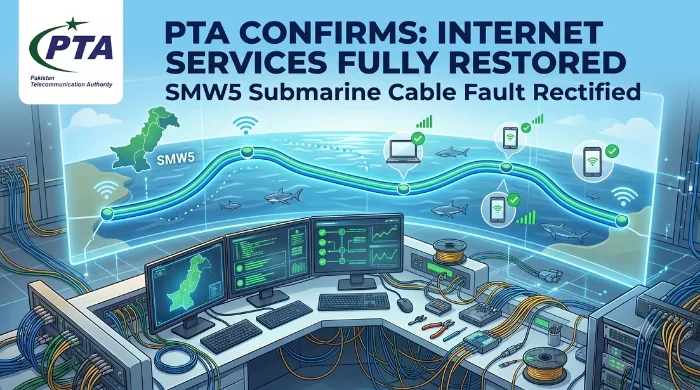
The Pakistan Telecommunication Authority has confirmed that internet services across Pakistan have returned to normal after the restoration of the SEA-ME-WE 5 international submarine cable system. The development comes after users in different parts of the country experienced slow internet speeds and connectivity issues due to a fault in the submarine cable network.
According to the telecom regulator, the fault had affected internet traffic from Thursday night, causing disruption in service quality for some users. PTA officials stated that the issue has now been resolved, and internet traffic has normalized across the country.
The restoration is positive news for internet users, businesses, freelancers, students, digital creators, and online service providers who depend heavily on stable connectivity for daily work. With the SMW5 cable back in operation, users are expected to experience improved browsing, streaming, online communication, and business-related digital activity.
What Caused the Internet Disruption?
Fault Reported in SEA-ME-WE 5 Cable System
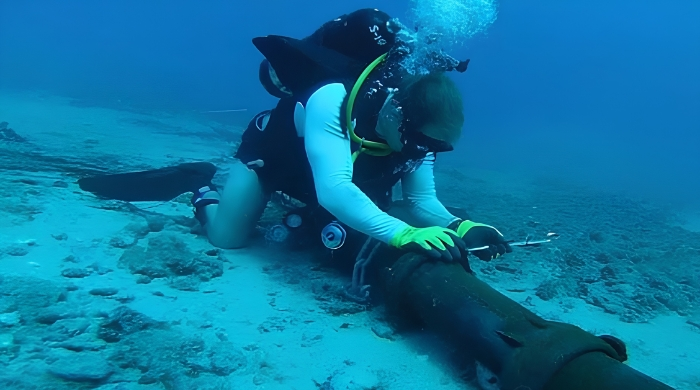
The disruption was caused by a fault in the SEA-ME-WE 5 submarine cable system, commonly known as SMW5. This international undersea cable is one of the important routes used for carrying internet traffic between Pakistan and the global digital network.
When a submarine cable develops a technical issue, users may face slower internet speeds, delays in accessing websites, unstable connectivity, or reduced service quality. In this case, PTA had earlier said that users could experience intermittent degradation in service quality and connectivity due to the fault.
The impact was linked to a significant portion of Transworld Associates’ international IP transit capacity. During the disruption, traffic was rerouted through alternate international links to reduce the effect on users and maintain service continuity as much as possible.
PTA and Stakeholders Worked on Restoration
Coordination With TWA and SMW5 Consortium
PTA remained in coordination with Transworld Associates and other relevant stakeholders during the incident. TWA also coordinated with the SMW5 Consortium to identify the cause of the fault and support restoration efforts.
The telecom authority monitored the situation throughout the disruption to help ensure that services could be restored at the earliest. The rerouting of traffic through alternate international links helped reduce the overall impact, but some users still faced slower speeds until the cable system was restored.
Now that the SMW5 cable is fully operational again, PTA has confirmed that internet services have stabilized and traffic has returned to normal levels.
Why Submarine Cables Matter for Pakistan’s Internet
Key Infrastructure for Digital Connectivity
Submarine internet cables play an essential role in connecting Pakistan with the rest of the world. These undersea cable systems carry large volumes of international data traffic, supporting everything from social media and video calls to banking, e-commerce, cloud services, online education, and remote work.
When one of these cable systems faces a fault, the effect can be felt across multiple sectors. Even if internet service does not completely stop, users may notice reduced speeds, delayed loading times, poor video quality, and interruptions in digital communication.
For Pakistan, where digital services are becoming increasingly important, stable international connectivity is essential. Businesses use internet-based tools for communication, payments, logistics, customer support, and marketing. Students rely on online platforms for learning, while freelancers and IT professionals depend on stable internet to work with international clients.
Relief for Internet Users and Digital Businesses
Connectivity Stabilizes After Cable Restoration
The restoration of the SMW5 cable is expected to bring relief to users who had been facing service issues since the disruption began. For ordinary users, this means smoother access to online platforms, faster browsing, improved streaming, and better connectivity for messaging and video calls.
For businesses and professionals, the restoration is even more important. Pakistan’s freelance community, IT exporters, digital marketers, media platforms, online sellers, and remote workers depend on uninterrupted internet access. Any disruption in connectivity can delay work, affect communication, and create operational challenges.
With services now restored, internet users can expect more stable connectivity across the country. However, the incident also highlights the need for stronger backup infrastructure and more diversified international connectivity routes to reduce the impact of future cable faults.
A Reminder of Pakistan’s Dependence on Digital Infrastructure
Need for Resilient Internet Systems
While the restoration of the SMW5 cable is good news, the incident shows how important resilient internet infrastructure has become for Pakistan. As the country moves further toward digital payments, online education, e-commerce, remote work, cloud services, and digital communication, reliable internet is no longer a luxury. It is a basic requirement for economic and social activity.
Submarine cable faults are not unusual in global telecommunications, but their impact depends on how quickly traffic can be shifted to backup routes and how efficiently repair work is carried out. PTA’s confirmation that traffic was rerouted during the disruption shows that alternate links were used to reduce service degradation.
Going forward, continued investment in multiple international cable systems, local data infrastructure, and improved network resilience will be important for ensuring better service quality. As more users and businesses move online, Pakistan’s internet infrastructure will need to keep pace with rising digital demand.
For now, PTA’s confirmation means that internet traffic has returned to normal and services are operating as usual after the SMW5 submarine cable restoration.