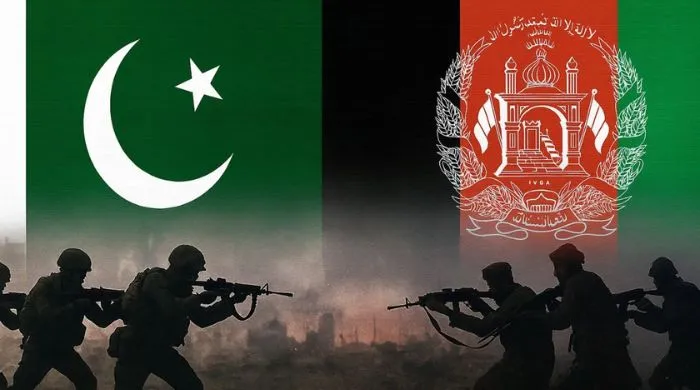
Pakistan and Afghanistan have agreed to a temporary pause in hostilities ahead of Eid al-Fitr, marking a rare de-escalation after weeks of rising cross-border tensions.
The ceasefire will remain in effect from midnight March 18/19 until midnight March 23/24, with both sides confirming the halt in military operations during the religious holiday.
Officials described the move as a goodwill gesture in line with the spirit of Eid and a step toward easing tensions between the two neighbouring countries.
Mediated by Regional Allies
The decision to pause military operations was influenced by diplomatic efforts from Saudi Arabia, Qatar, and Türkiye, which urged both sides to de-escalate.
Pakistan’s Information Minister Attaullah Tarar said the truce reflects cooperation among Muslim nations and was taken both on Islamabad’s initiative and at the request of allied countries.
Afghanistan’s Taliban authorities also confirmed a reciprocal suspension of operations, indicating coordination between both governments.
Warning of Immediate Response if Violated
Despite the agreement, both countries made it clear that the ceasefire is conditional.
Officials warned that any cross-border attack, drone strike, or militant activity could lead to an immediate resumption of military operations.
This highlights the fragile nature of the truce, as tensions remain high and trust between the two sides is limited.
Conflict Background and Rising Tensions
The ceasefire comes after weeks of escalating clashes along the Pakistan-Afghanistan border, including airstrikes and cross-border attacks.
The situation intensified following a deadly strike in Kabul, which Afghanistan blamed on Pakistan, while Islamabad denied targeting civilian infrastructure and said it was acting against militant threats.
Long-standing tensions between the two countries are rooted in Pakistan’s claims that militant groups operate from Afghan territory, a charge Kabul has repeatedly denied.
Short-Term Relief, Uncertain Future
While the Eid truce offers temporary relief, analysts see it as a short-term pause rather than a long-term solution.
Past ceasefires between the two countries have struggled to hold, and underlying security concerns remain unresolved. The coming days will determine whether this pause leads to broader diplomatic engagement or another cycle of escalation.