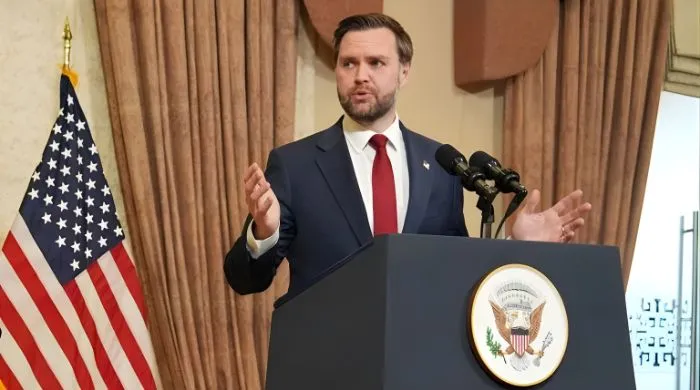
A high-stakes round of US-Iran negotiations in Islamabad has ended without a final agreement, despite 21 hours of intense discussions. US Vice President JD Vance left Pakistan following the talks, acknowledging the lack of progress but commending Pakistan’s role in facilitating dialogue between the two adversaries.
Marathon Talks End Without Agreement
The negotiations, held in Islamabad, stretched over 21 hours but failed to produce a deal between Washington and Tehran. Both sides remained firm on key issues, preventing any meaningful breakthrough.
Vance confirmed after the talks that no agreement had been reached, highlighting the deep divide that continues to define US-Iran relations.
Core Disagreements Remain Unresolved
The biggest sticking point in the negotiations was Iran’s nuclear program. The United States pushed for clear assurances that Iran would not pursue nuclear weapons, while Tehran refused to accept such conditions without broader concessions.
Additional disagreements included sanctions relief, compensation demands, and the broader framework for long-term peace, issues that proved too complex to resolve within a limited timeframe.
Pakistan’s Mediation Role Acknowledged
Despite the lack of a deal, Pakistan’s role as a mediator received recognition from the US side. Vance praised Islamabad’s efforts in bringing both parties together and hosting the critical discussions.
Pakistan had earlier played a key role in facilitating the temporary ceasefire and creating space for diplomatic engagement, positioning itself as an important regional intermediary.
Talks Follow Fragile Two-Week Ceasefire
The Islamabad negotiations were part of broader efforts to stabilize a fragile two-week ceasefire between the US and Iran. However, the failure to reach an agreement has raised concerns about the durability of that ceasefire.
Analysts warn that without progress, the risk of renewed escalation remains high.
Diplomatic Efforts Still Ongoing
Although the talks ended without success, both sides have not completely closed the door on diplomacy. Mediators, including Pakistan and other regional players, are continuing efforts to revive negotiations and bridge the remaining gaps.
The situation remains fluid, with future talks still a possibility.
Global Stakes Remain High
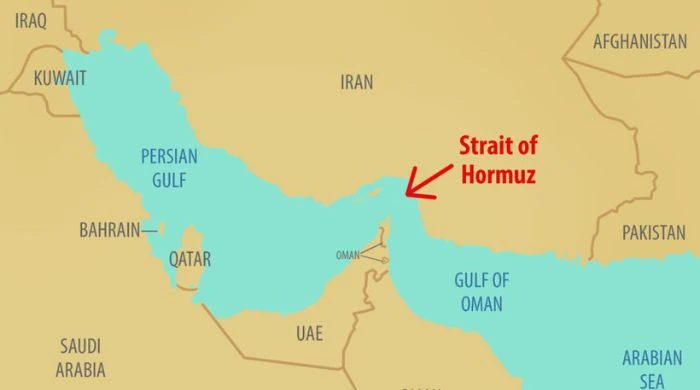
The outcome of these talks carries global implications. The conflict has already impacted energy markets and regional stability, particularly due to tensions around the Strait of Hormuz, a vital global oil route.
Any escalation could have far-reaching economic and geopolitical consequences.
Conclusion
The end of the 21-hour Islamabad talks without an agreement marks a setback in efforts to secure lasting peace between the US and Iran. However, Pakistan’s role as a mediator has been widely acknowledged, and diplomatic channels remain open. The coming days will be critical in determining whether negotiations can resume, or if tensions will once again escalate.