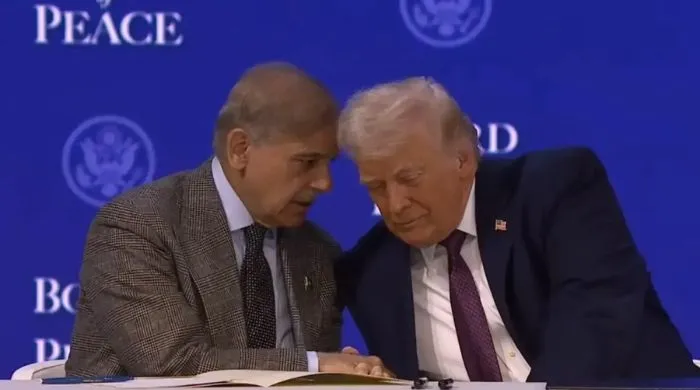
In a major diplomatic breakthrough, the United States and Iran have agreed to a temporary two-week ceasefire under a framework proposed by Pakistan. The move comes at a critical moment, just hours before a potential escalation of military action, offering a narrow but significant window for negotiations.
Pakistan Steps In as Key Mediator
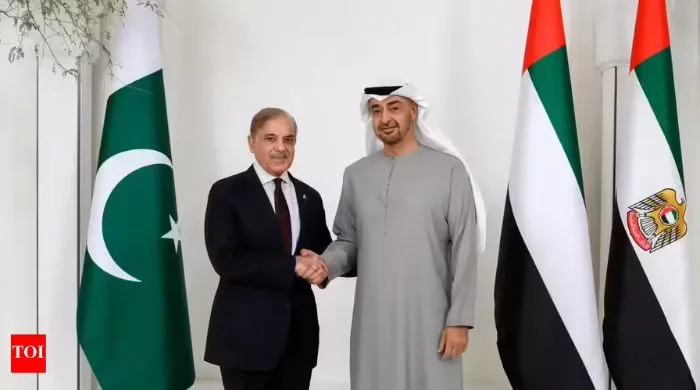
The ceasefire framework was proposed by Pakistan, with Prime Minister Shehbaz Sharif and military leadership playing a central role in urging both sides to pause hostilities.
The proposal called for a short-term halt in fighting to allow space for dialogue, a move that was accepted by both Washington and Tehran.
Pakistan’s involvement has positioned it as an important diplomatic bridge in one of the most volatile conflicts in the region.
Ceasefire Comes Just Before Major Escalation
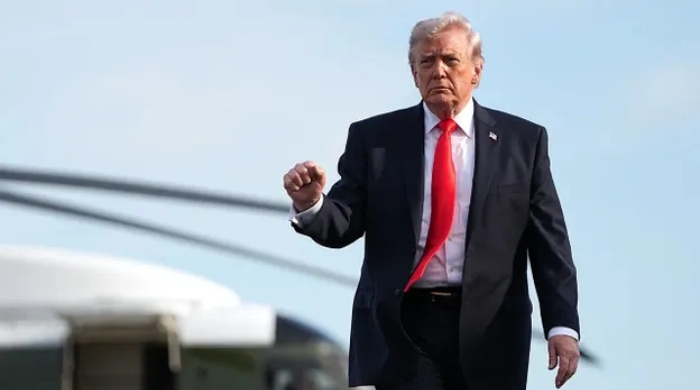
The agreement was reached only hours before a deadline set by US President Donald Trump for possible large-scale strikes on Iran.
Trump ultimately decided to step back from immediate military escalation, agreeing to suspend attacks for two weeks to allow diplomacy to proceed.
This last-minute shift prevented what many feared could have been a devastating expansion of the conflict.
Key Condition: Reopening the Strait of Hormuz
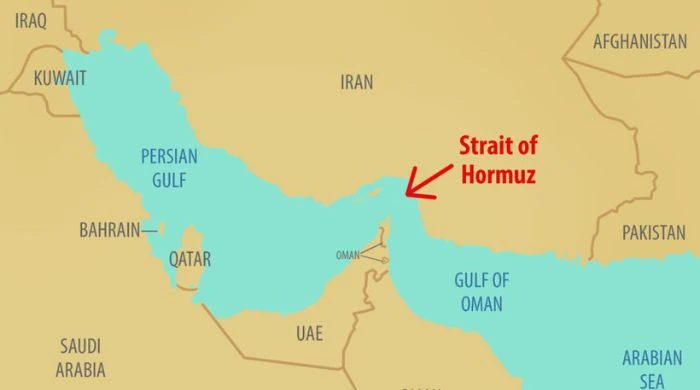
A major part of the ceasefire framework involves the reopening of the Strait of Hormuz, a critical global oil route that had been disrupted during the conflict.
Iran agreed to allow safe passage through the strait during the ceasefire period, easing pressure on global energy markets and trade routes.
The reopening is seen as a crucial confidence-building measure between the two sides.
Talks to Begin in Islamabad
As part of the agreement, both countries are expected to move toward negotiations, with Islamabad emerging as the likely venue for talks.
Iran has indicated readiness to engage in discussions starting within days, signaling a shift, at least temporarily, from confrontation to diplomacy.
Ceasefire Is Temporary, Not a Final Peace Deal
Despite the breakthrough, both sides have made it clear that the ceasefire does not mark the end of the conflict.
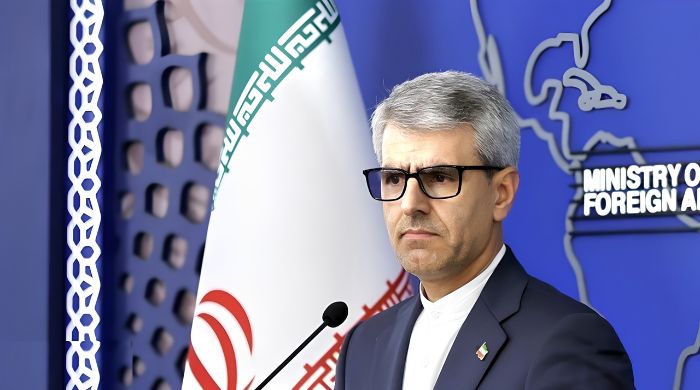
Iran has emphasized that the pause is conditional and that military action could resume if the agreement is violated.
Similarly, uncertainties remain on the ground, with reports suggesting that hostilities did not immediately stop in all areas.
Global Impact and Market Reaction
The announcement triggered immediate global reactions:
- Oil prices dropped sharply
- Stock markets surged
- Global fears of a wider Middle East war temporarily eased
The development highlighted how closely the conflict is tied to global economic stability.
A Fragile Window for Diplomacy
While the ceasefire offers hope, it remains fragile. Previous ceasefire proposals had failed, and deep disagreements still exist between the US and Iran over long-term peace terms.
The coming two weeks are expected to be critical in determining whether this pause leads to a lasting agreement or merely delays further confrontation.
Conclusion
The US-Iran ceasefire under Pakistan’s framework represents a rare diplomatic opening in a rapidly escalating conflict. With Islamabad set to host talks and global attention focused on the outcome, the next two weeks could shape the future of stability in the region.