Kuwait has decided to use Pakistani vessels to transport diesel and jet fuel, responding to ongoing disruptions in regional oil routes.
The move follows limited clearance for oil cargo movement through the region, allowing shipments to resume under restricted conditions.
This isn’t a planned upgrade. It’s a reaction to a system that stopped working normally.
Hormuz Disruptions Trigger Shift
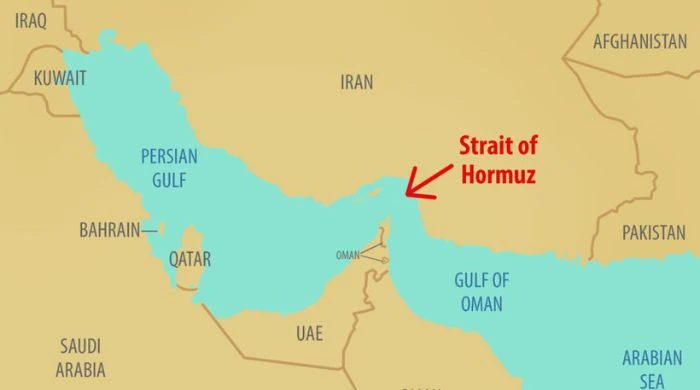
The disruption centers around the Strait of Hormuz, a key global oil transit route that has been affected by regional conflict.
Tanker traffic slowed significantly, interrupting fuel supply chains between Gulf producers and importing countries.
Instead of waiting for full recovery, Kuwait has switched to a more controlled option by using Pakistani ships.
Pakistan Moves Into Supply Chain Role
This change gives Pakistan a more active role than usual.
It’s no longer just receiving fuel; it’s now part of how that fuel is transported. That reduces reliance on international carriers and gives Pakistan more control over delivery timelines.
It also reinforces long-standing energy ties between Pakistan and Kuwait, which have been in place for years.
A Practical Fix, Not a Stable Solution
Right now, this is a workaround, not a permanent solution.
It helps keep fuel moving, but it doesn’t fix the underlying issue, instability in the region.
If tensions escalate again, even these adjusted routes could face disruption.
Bigger Shift in Energy Logistics
There’s a broader pattern here.
As risks increase, countries are starting to rely less on open global shipping systems and more on controlled, bilateral arrangements.
This move by Kuwait is a small example of that shift. It shows how quickly supply chains are being reshaped under pressure.