A fresh increase in petrol prices has triggered political turbulence across Pakistan, spilling into both parliament and the streets. Lawmakers clashed in the National Assembly, while Jamaat-e-Islami (JI) announced a nationwide protest movement, signaling growing unrest over the country’s worsening economic conditions.
Heated Exchanges Shake National Assembly
Tensions ran high in the National Assembly as opposition members reacted strongly to the fuel price increase. The session quickly turned confrontational, with lawmakers accusing the government of placing an unbearable financial burden on citizens.
The protest disrupted proceedings, highlighting how deeply the issue has polarized political leadership. Critics described the price hike as another blow to households already grappling with inflation.
Jamaat-e-Islami Mobilizes Nationwide Protests
Taking the opposition beyond parliament, Jamaat-e-Islami has announced plans for demonstrations across major cities. The party leadership has urged citizens to raise their voices against what it calls unjust economic policies.
JI leaders maintain that ordinary Pakistanis are being forced to shoulder the impact of global economic shifts, while meaningful relief remains absent.
What’s Driving the Increase in Fuel Prices?
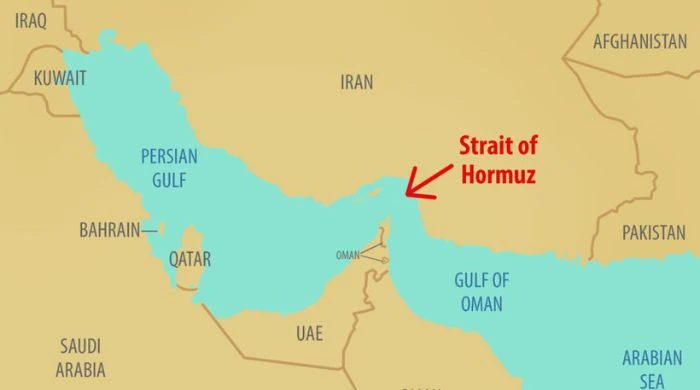
Authorities attribute the latest hike to external pressures, particularly fluctuations in international oil markets. Pakistan’s heavy dependence on imported fuel means global price changes quickly translate into domestic adjustments.
Economic challenges, including currency pressure and fiscal constraints, have further limited the government’s ability to cushion the impact.
Ripple Effects Across the Economy
The increase in petrol prices is expected to trigger a chain reaction across multiple sectors:
- Transportation costs are likely to surge
- Food prices may climb further
- Businesses could face higher operational expenses
For many households, the hike adds to an already strained budget, intensifying concerns about affordability and daily living costs.
Rising Political and Public Pressure
With protests erupting inside parliament and calls for nationwide demonstrations gaining momentum, pressure is mounting on the government. The fuel price issue has evolved into a broader symbol of economic frustration, potentially shaping the political landscape in the coming weeks.
Conclusion
The latest petrol price increase has become more than just an economic decision—it has ignited a nationwide debate. As political tensions rise and public dissatisfaction grows, the government faces a critical test in balancing economic realities with the urgent need for relief.