The United States is making another diplomatic push by sending a fresh team of negotiators to Islamabad for a second round of discussions with Iran. The move follows an earlier round of talks that failed to produce a deal, but left the door open for continued engagement at a critical moment.
Washington Pushes for Renewed Dialogue
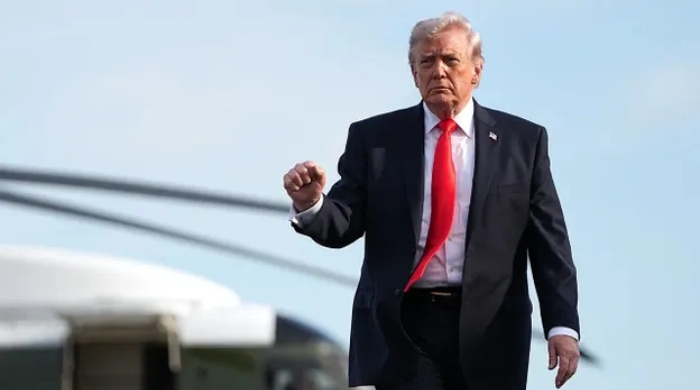
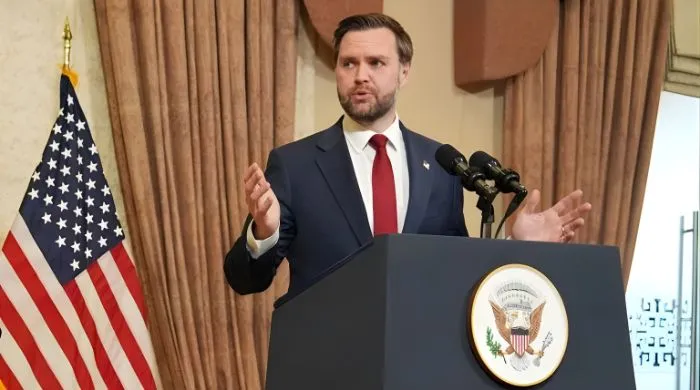
US President Donald Trump has decided to move forward with another round of negotiations, dispatching officials to Pakistan in an effort to revive stalled talks with Tehran.
The decision reflects Washington’s intent to keep diplomatic channels active, despite the lack of a breakthrough in the previous meeting.
First Round Ended Without Results
The initial talks in Islamabad stretched over long hours but concluded without any formal agreement. Key disputes remained unresolved, preventing both sides from reaching common ground.
However, the outcome did not completely derail diplomacy, as both parties signaled willingness to continue discussions.
Islamabad Remains the Chosen Venue
Pakistan continues to serve as the central platform for these high-stakes negotiations. By hosting the talks, Islamabad has positioned itself as a neutral ground where both sides can engage directly.
The return to Pakistan for a second round highlights confidence in its role as a facilitator.
Iran’s Participation Still Unclear
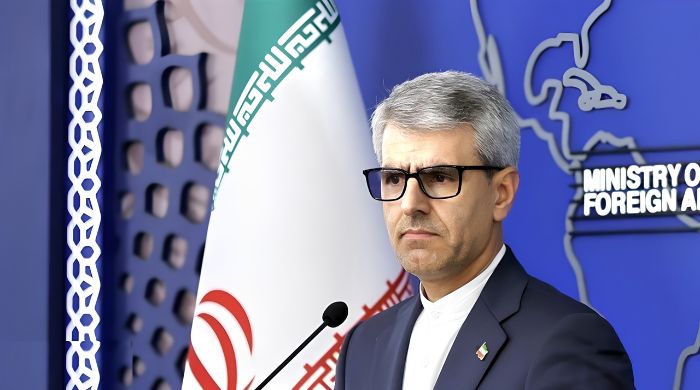
While the United States has confirmed its readiness for renewed talks, Iran has yet to give a clear signal about its participation.
This uncertainty raises questions about whether the second round will proceed as planned or face delays.
Tensions Keep Pressure on Diplomacy
The push for talks comes against a backdrop of continued geopolitical tension. Issues such as regional security concerns and strategic disagreements remain unresolved, keeping the situation fragile.
These pressures make the upcoming round of negotiations even more significant.
What the Next Round Could Achieve
The second round of talks offers another opportunity to address critical concerns:
- Preventing escalation of conflict
- Building on the existing ceasefire framework
- Exploring solutions to long-standing disputes
- Maintaining communication between both sides
Even limited progress could help stabilize the situation.
A Critical Moment for Negotiations
With time running short and tensions still high, the upcoming talks represent a crucial opportunity. Success could extend the diplomatic window, while failure might increase the risk of renewed confrontation.
All eyes are now on whether both sides can move closer to an understanding.
Conclusion
The US decision to send negotiators back to Islamabad underscores the importance of continued dialogue in a highly sensitive geopolitical situation. While uncertainties remain, especially regarding Iran’s involvement, the second round of talks keeps hope for a diplomatic solution alive.