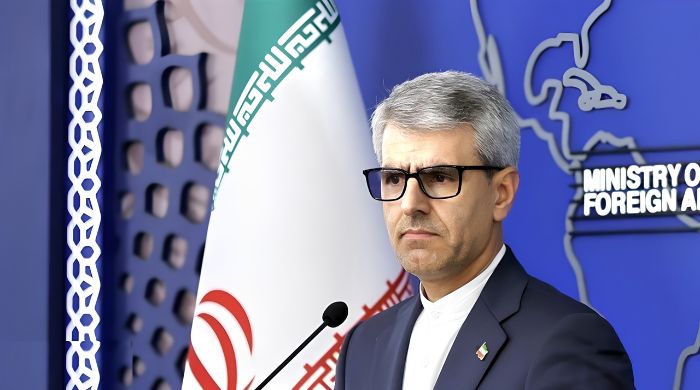
Fresh diplomatic talks between the United States and Iran are now hanging in the balance, as Tehran signals reluctance to return to the table. With Washington refusing to ease its conditions, the fragile momentum built after the ceasefire is beginning to fade.
Talks Face Uncertainty Before They Begin
The next round of negotiations, expected to take place in Islamabad, has yet to be confirmed, with Iran still weighing whether participation is worthwhile.
The hesitation suggests growing skepticism in Tehran about whether meaningful progress can be achieved under current conditions.
Trump’s Firm Line Becomes Major Roadblock
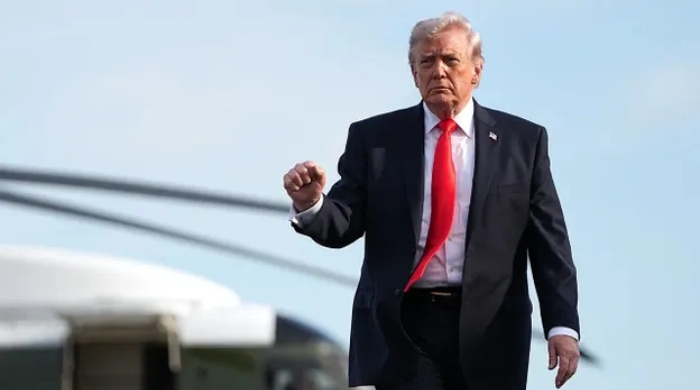
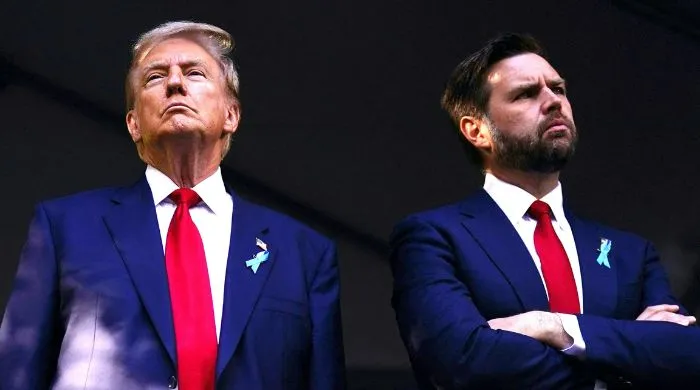
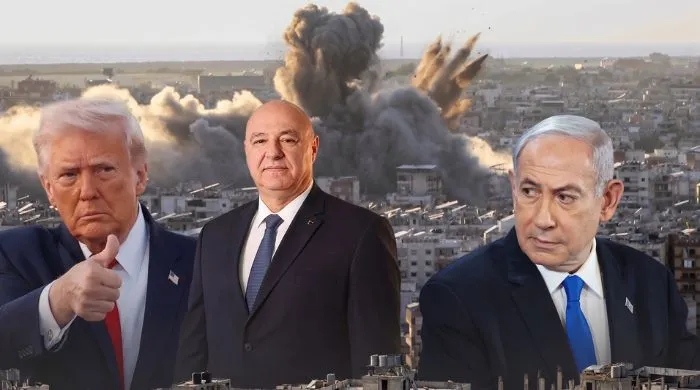
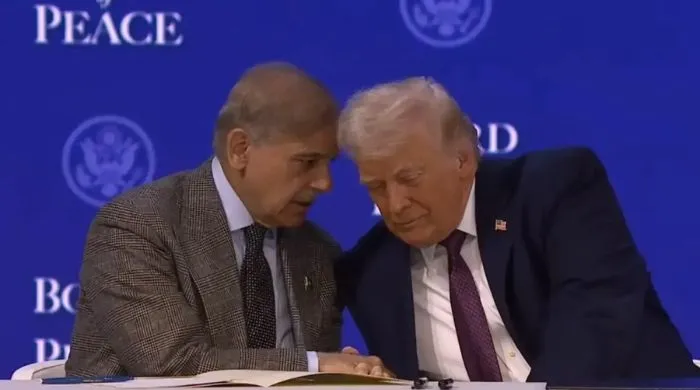
At the center of the impasse is President Donald Trump’s insistence on strict, non-negotiable terms. These include limitations on Iran’s nuclear program and broader strategic concessions.
By maintaining a hardline approach, Washington is signaling strength, but also narrowing the space for compromise.
Tehran Questions Fairness of Negotiations
Iranian officials are increasingly vocal about what they see as an imbalanced negotiating framework. According to their stance, the US is demanding concessions without offering sufficient guarantees in return.
This perception is weakening trust and making it politically harder for Iran to engage in further talks.
Recent Incidents Deepen Mistrust
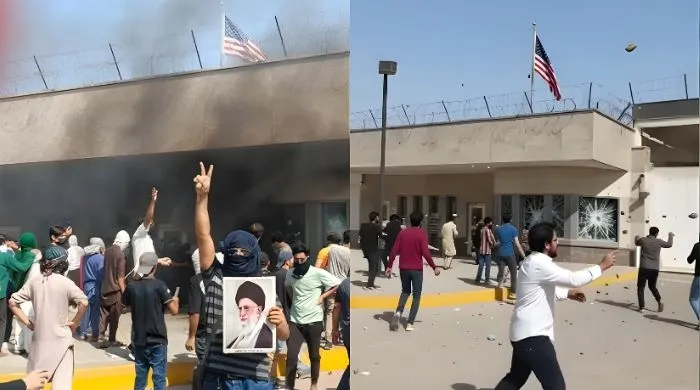
Tensions have been aggravated by recent developments, including allegations of ceasefire violations and continued strategic pressure in the region.
Rather than stabilizing the situation, these incidents have reinforced doubts about whether diplomacy can deliver lasting results.
Core Issues Still Unresolved
Several fundamental disagreements remain at the heart of the standoff:
- The future of Iran’s nuclear program
- US sanctions and economic pressure
- Security concerns in the region
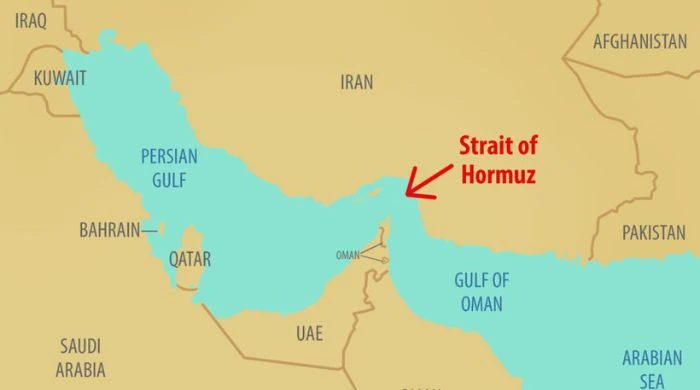
- Control of key maritime routes
Without movement on these fronts, negotiations risk becoming symbolic rather than substantive.
Ceasefire Clock Adds Urgency
Time is becoming a critical factor. The temporary ceasefire window is limited, and without tangible progress, the chances of renewed escalation increase.
This puts pressure on both sides, but especially on negotiators trying to salvage dialogue.
Pakistan’s Role Tested at a Critical Moment
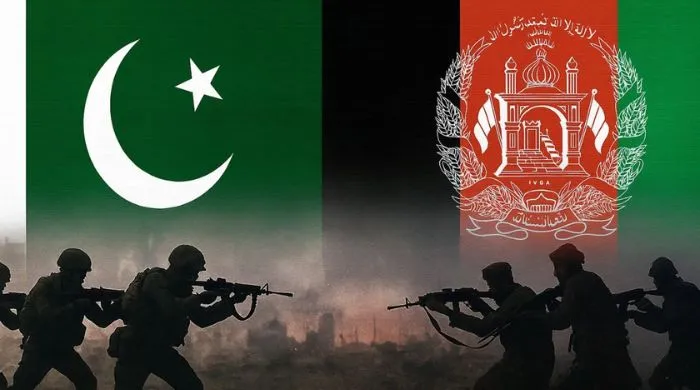
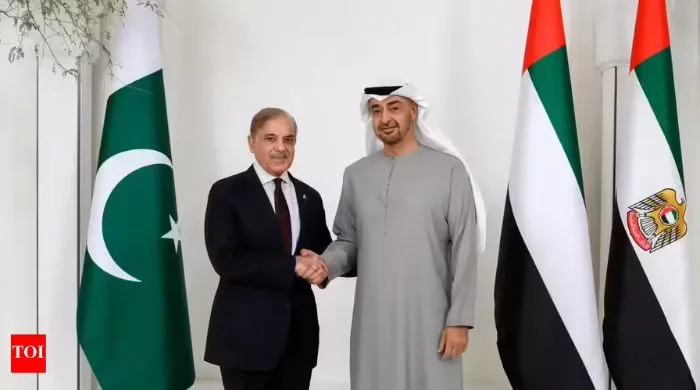
As host and mediator, Pakistan now finds itself at the center of a delicate diplomatic challenge. Bringing both sides back to the table will require careful balancing, especially as positions harden.
The upcoming days will determine whether Islamabad can keep the process alive.
Conclusion
With Iran hesitant and the US unwilling to soften its stance, the future of negotiations remains uncertain. What began as a promising diplomatic opening now risks stalling before it can deliver results.
The next move, from either side, could decide whether tensions ease further or spiral back toward confrontation.