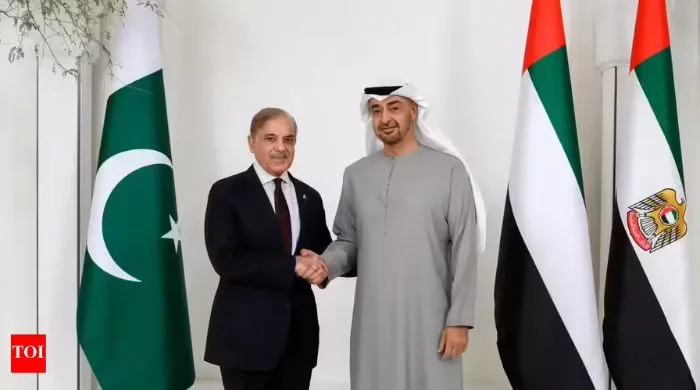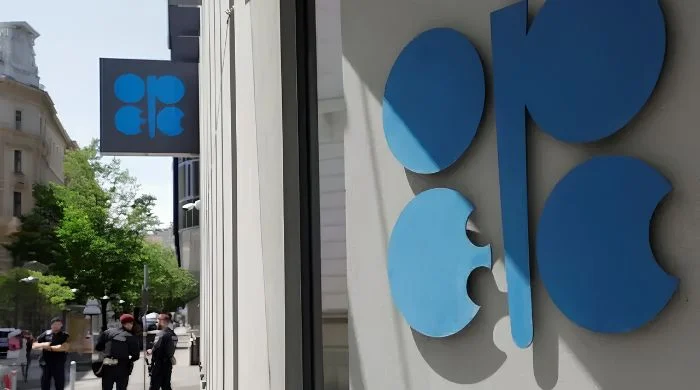
In a move that could reshape the global energy landscape, the United Arab Emirates has decided to exit OPEC after decades of membership. The decision signals a shift away from collective oil management toward independent strategy, raising concerns about the future strength of the producers’ alliance.
A Historic Exit from a Key Player
The UAE’s departure marks one of the most significant changes within OPEC in recent years. Having been a member since the late 1960s, the country has long played a central role in shaping production policies.
Its exit is not just symbolic, it removes one of the group’s most influential voices.
Breaking Free from Production Limits
At the heart of the decision is control. The UAE has been increasingly focused on expanding its oil output capacity, but OPEC’s quota system has often limited how much it can produce.
By stepping outside the group, Abu Dhabi gains the flexibility to increase production based on its own economic priorities rather than collective agreements.
What This Means for OPEC’s Power
OPEC’s strength has always relied on unity. With a major producer leaving, that unity faces a new test.
The exit could:
- Weaken coordination on supply decisions
- Reduce the cartel’s ability to stabilize prices
- Encourage other members to rethink their positions
In short, OPEC may find it harder to act as a single, decisive force in global markets.
Timing Adds to the Impact
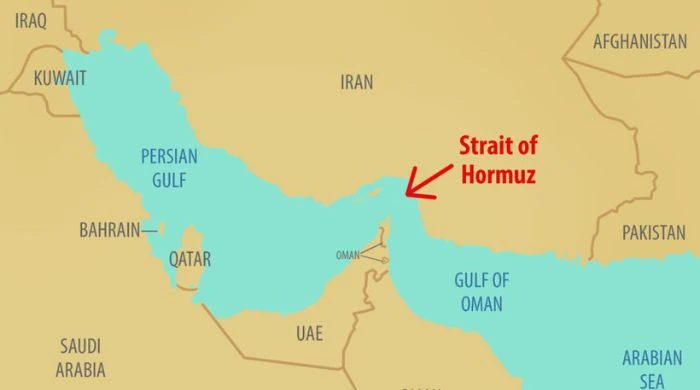
The decision comes during a period of global uncertainty, with ongoing geopolitical tensions already affecting oil supply routes and pricing stability.
Introducing such a major shift at this moment increases the risk of volatility, as markets adjust to both political and structural changes.
Possible Ripple Effects on Oil Prices
The long-term impact on oil prices remains uncertain, but several scenarios are emerging:
- Higher independent production could push prices downward
- Reduced coordination could lead to sharper price swings
- Increased competition among producers may reshape supply patterns
For oil-importing countries, this could eventually mean relief, but also unpredictability.
A Shift Toward Energy Independence
The UAE’s move reflects a broader global trend: countries are increasingly prioritizing national energy strategies over collective frameworks.
As energy markets evolve and demand patterns shift, producers are looking for flexibility rather than restrictions, something OPEC’s structure does not always allow.
What Happens Next?
While the immediate fallout may be limited, the long-term implications are significant. If other producers follow a similar path, the traditional balance of power in global oil markets could change dramatically.
OPEC may remain relevant, but its dominance is no longer guaranteed.
Conclusion
The UAE’s decision to leave OPEC is more than just a policy shift; it’s a signal that the global oil system is entering a new phase. As countries move toward independent strategies, the future of coordinated energy control looks increasingly uncertain.