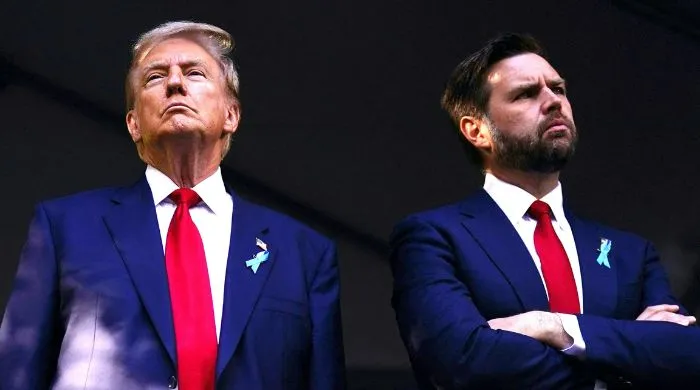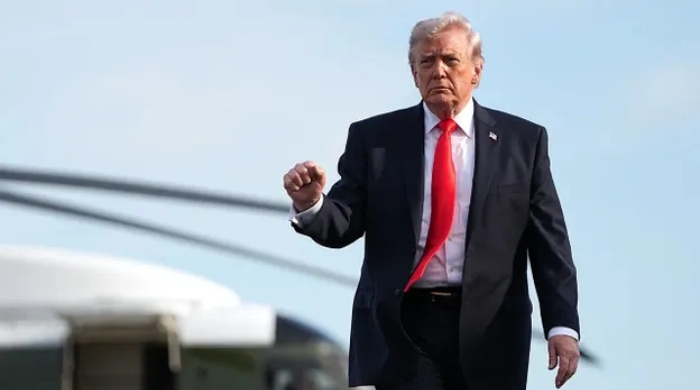
The United States has temporarily stepped back from military escalation in the Strait of Hormuz after President Donald Trump approved a pause in the ongoing operation. The decision reportedly came following diplomatic outreach from Pakistan, which urged Washington to allow more time for negotiations with Iran.
The development marks another significant moment in Pakistan’s growing involvement in regional diplomacy during the ongoing Gulf crisis.
US Suspends Strait of Hormuz Operation
President Trump announced a temporary halt to the American military mission aimed at securing commercial shipping routes through the Strait of Hormuz. The operation had been launched after tensions with Iran disrupted maritime movement in one of the world’s most critical oil corridors.
The suspension signals a short-term shift away from direct military pressure and toward diplomatic engagement.
Pakistan Emerges as Key Diplomatic Voice
According to reports, Pakistan played an important role in encouraging the United States to delay further escalation. Islamabad reportedly requested additional space for dialogue, arguing that continued negotiations offered a better path forward than immediate military action.
Pakistan has increasingly positioned itself as a communication bridge between Washington and Tehran throughout the crisis, hosting talks and supporting ceasefire efforts.
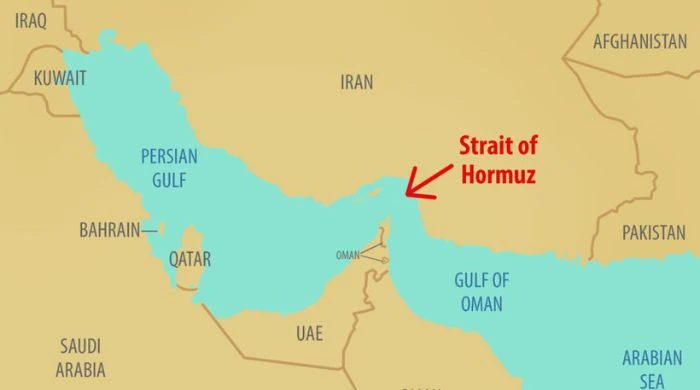
Why the Strait of Hormuz Is So Important
The Strait of Hormuz is considered one of the most strategically sensitive waterways in the world. A large percentage of global oil shipments pass through the route every day, meaning any disruption immediately affects international energy markets.
Recent tensions in the region created serious concerns, including:
- Threats to commercial shipping
- Rising global oil prices
- Fears of wider regional conflict
- Pressure on global supply chains
This is why even temporary military or diplomatic changes in the region attract worldwide attention.
Pause Does Not Mean End of Tensions
Despite the suspension of the operation, the broader conflict between the US and Iran remains unresolved. American naval presence in the Gulf continues, and several sanctions and strategic restrictions remain active.
The pause appears to be tactical rather than permanent, giving negotiators a limited window to explore diplomatic solutions.
Diplomatic Efforts Gain Momentum
The decision has added momentum to ongoing diplomatic talks involving regional and international stakeholders. Officials hope that reducing immediate military pressure could create conditions for more productive negotiations.
However, deep disagreements remain on key issues, including maritime security, regional influence, and Iran’s broader strategic position.
Global Markets Respond Carefully
Financial and energy markets reacted cautiously to the announcement. A reduction in immediate conflict risk helped calm some concerns surrounding oil supply disruptions, though uncertainty remains high.
Analysts believe any lasting stability will depend on whether negotiations can produce tangible progress in the coming weeks.
Pakistan’s Regional Influence Continues to Grow
Pakistan’s involvement in the latest diplomatic breakthrough reflects its expanding role in regional mediation. Over recent weeks, Islamabad has repeatedly emerged as the center of efforts to reduce tensions between the US and Iran.
The latest development strengthens perceptions of Pakistan as an increasingly active diplomatic player in Middle Eastern affairs.
Conclusion
Trump’s decision to pause the Hormuz operation highlights the fragile balance between diplomacy and military pressure in the Gulf region. While the move offers temporary relief from escalation, the larger conflict remains unresolved.
For now, Pakistan’s diplomatic intervention has helped open another window for negotiations—but whether it will lead to long-term stability remains uncertain.